Learn Pickleball
Pickleball ratings explained: 2.0 to 5.0 and DUPR
What each skill level actually looks like on court, how self-rating and DUPR differ, and the concrete skills that move you from one level to the next.
6 min read·
Rules, scoring and drills for new and improving players.
In this cluster
Learn Pickleball
Showing 1–9 of 9
What each skill level actually looks like on court, how self-rating and DUPR differ, and the concrete skills that move you from one level to the next.
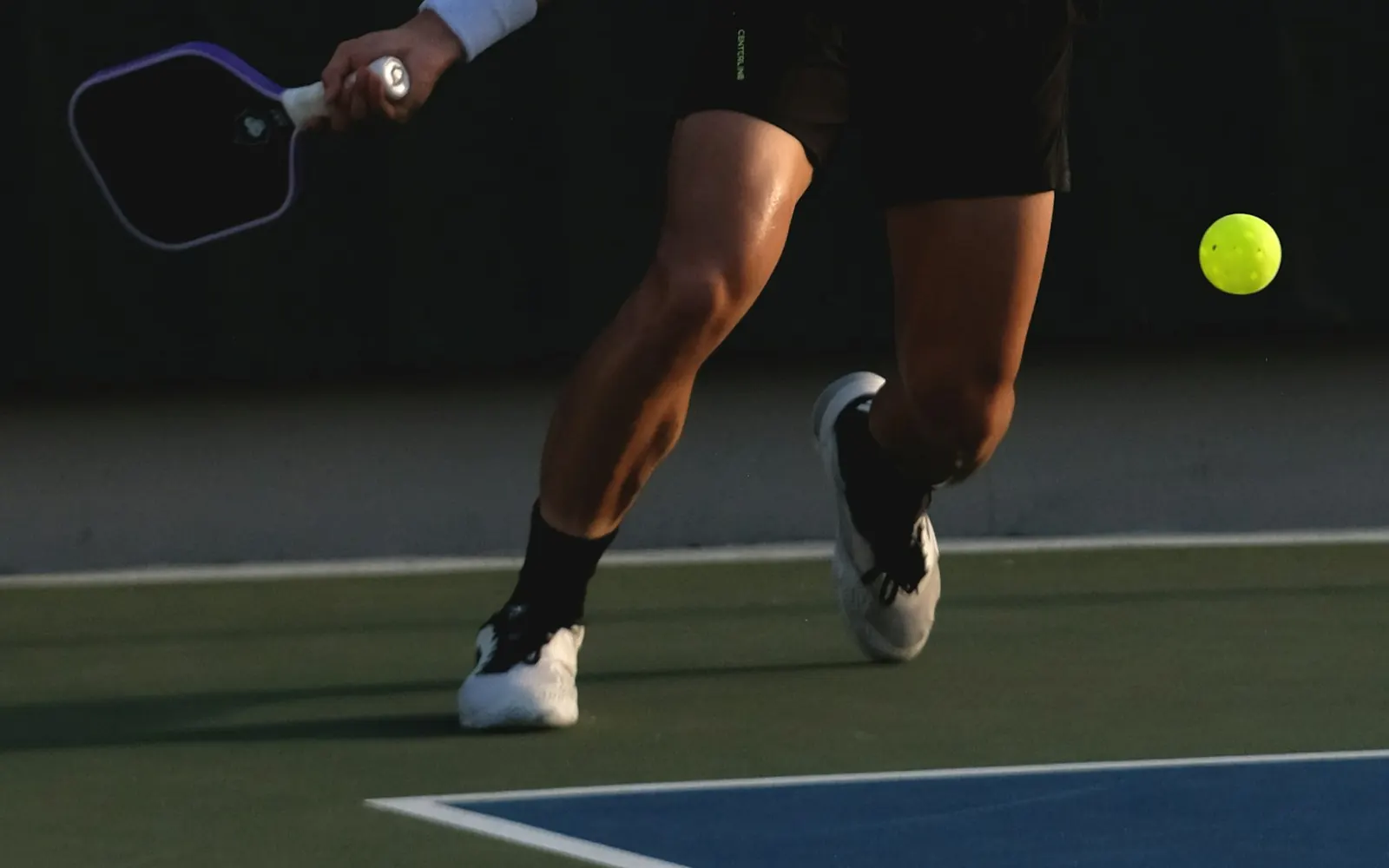
The return is the receiving team’s biggest weapon: hit it deep, then get to the net. Split-step timing, target, depth over pace, and the errors that cost you.
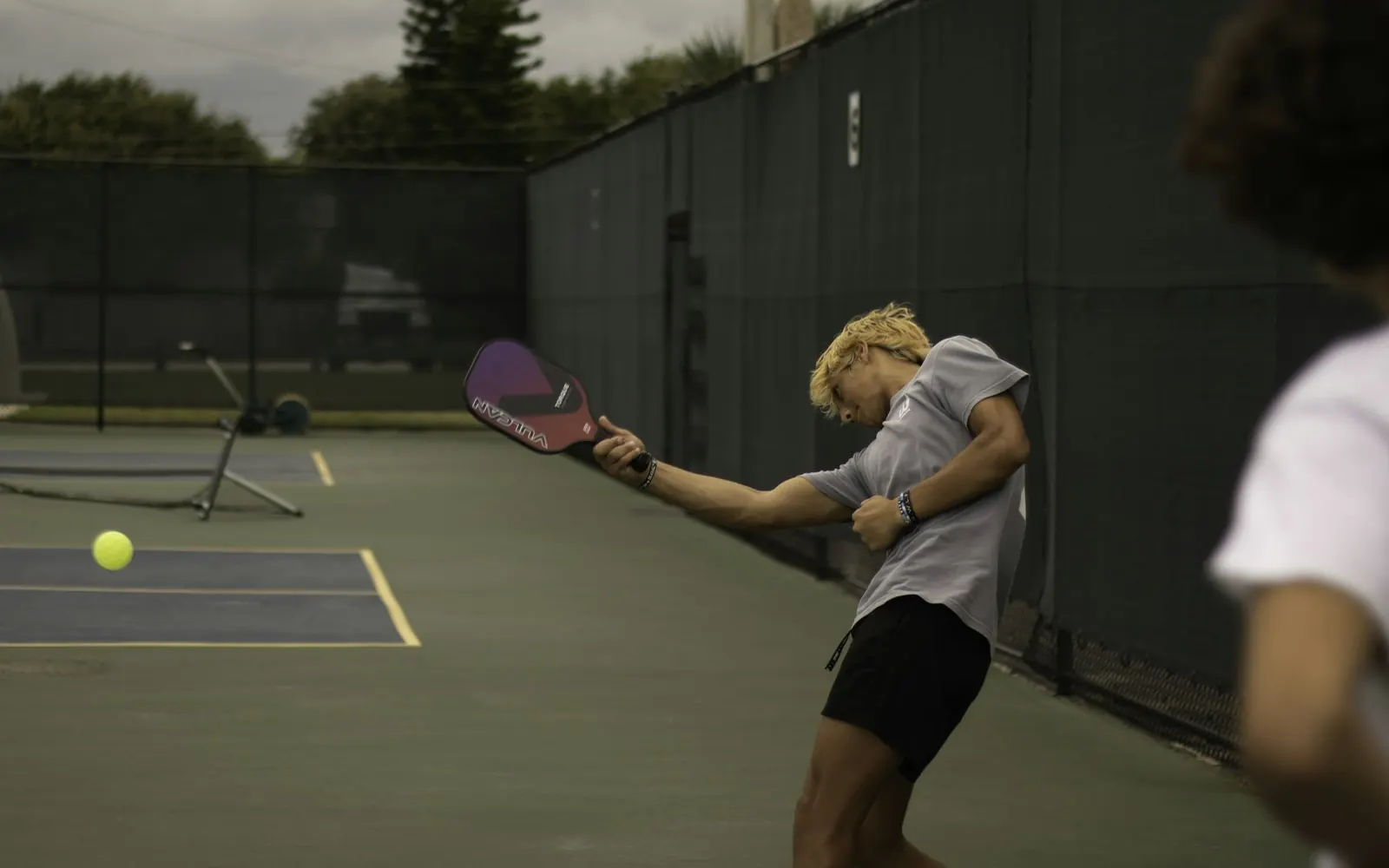
What the dink is for, cross-court versus straight-ahead, where to aim, the tell-tale signs a ball is about to pop up, and when to speed it up.
The one idea that fixes most doubles teams — you and your partner move together, up and back and side to side, like you are tied by an eight-foot rope.
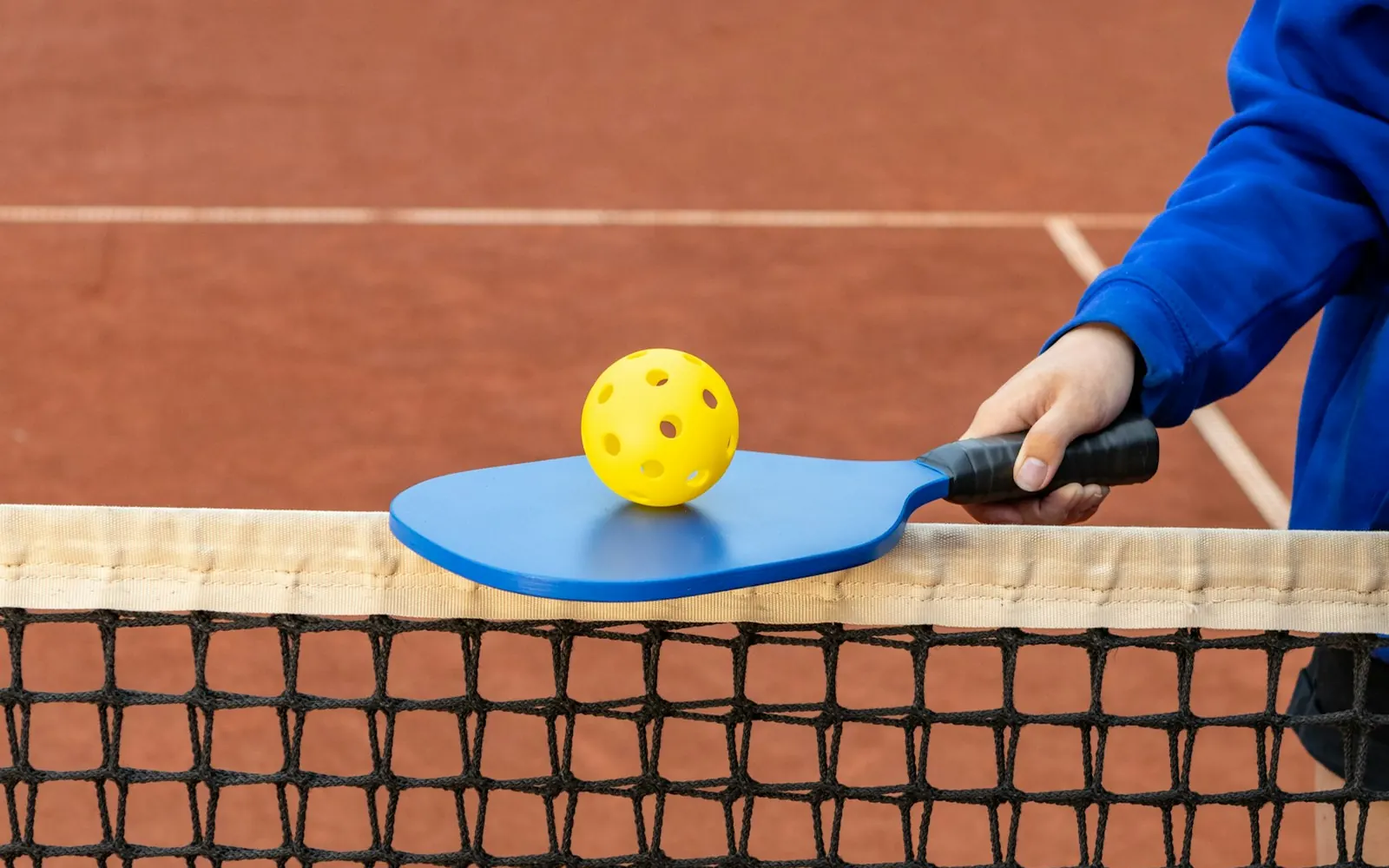
A focused hour in a practice bay: cross-court dinks, the third-shot drop, resets, punch volleys and serve targets — with rep counts that transfer to a game.
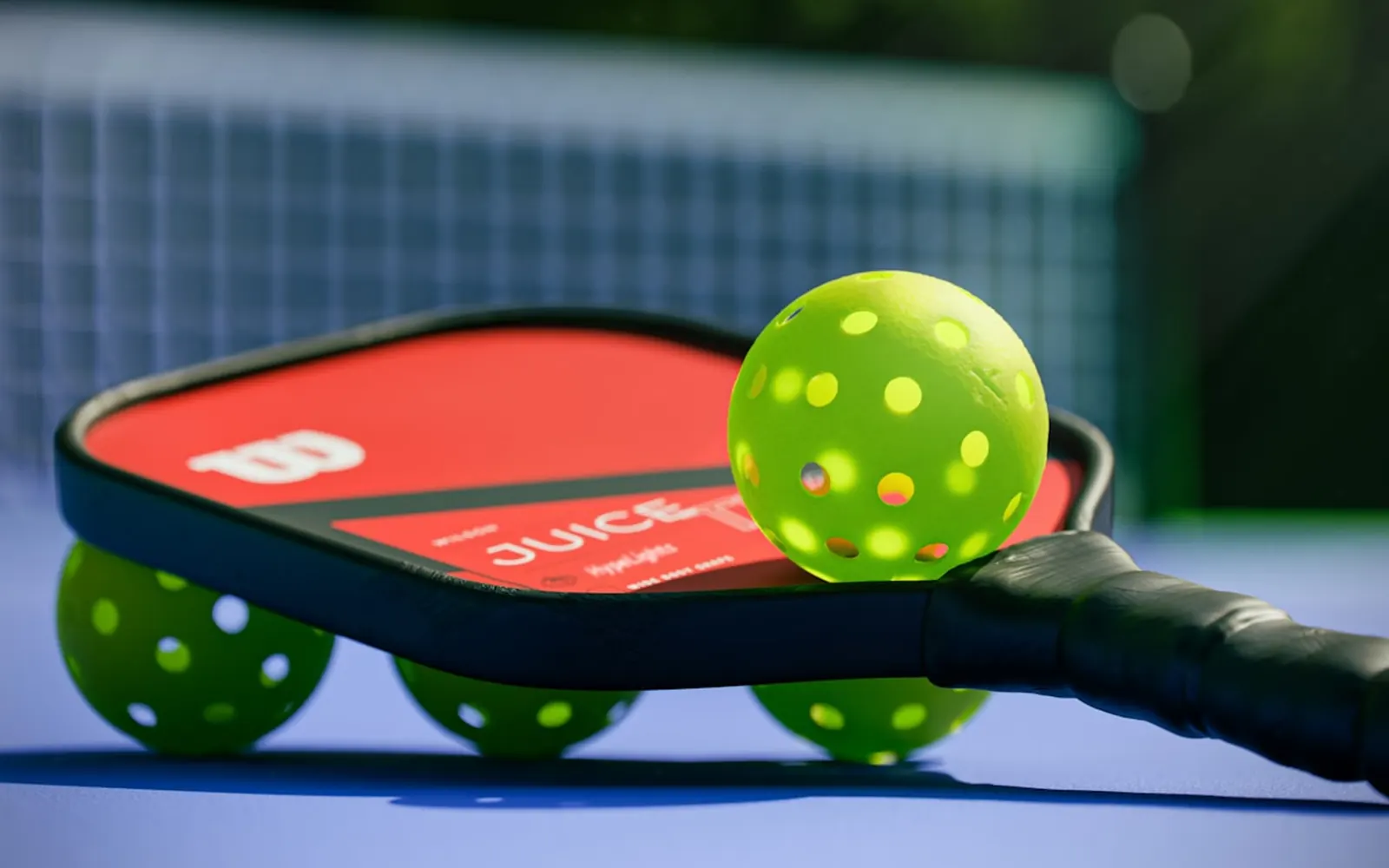
Why the third shot decides most points, how the drop works mechanically, drive versus drop, and a practice-bay routine to build it against a ball machine.
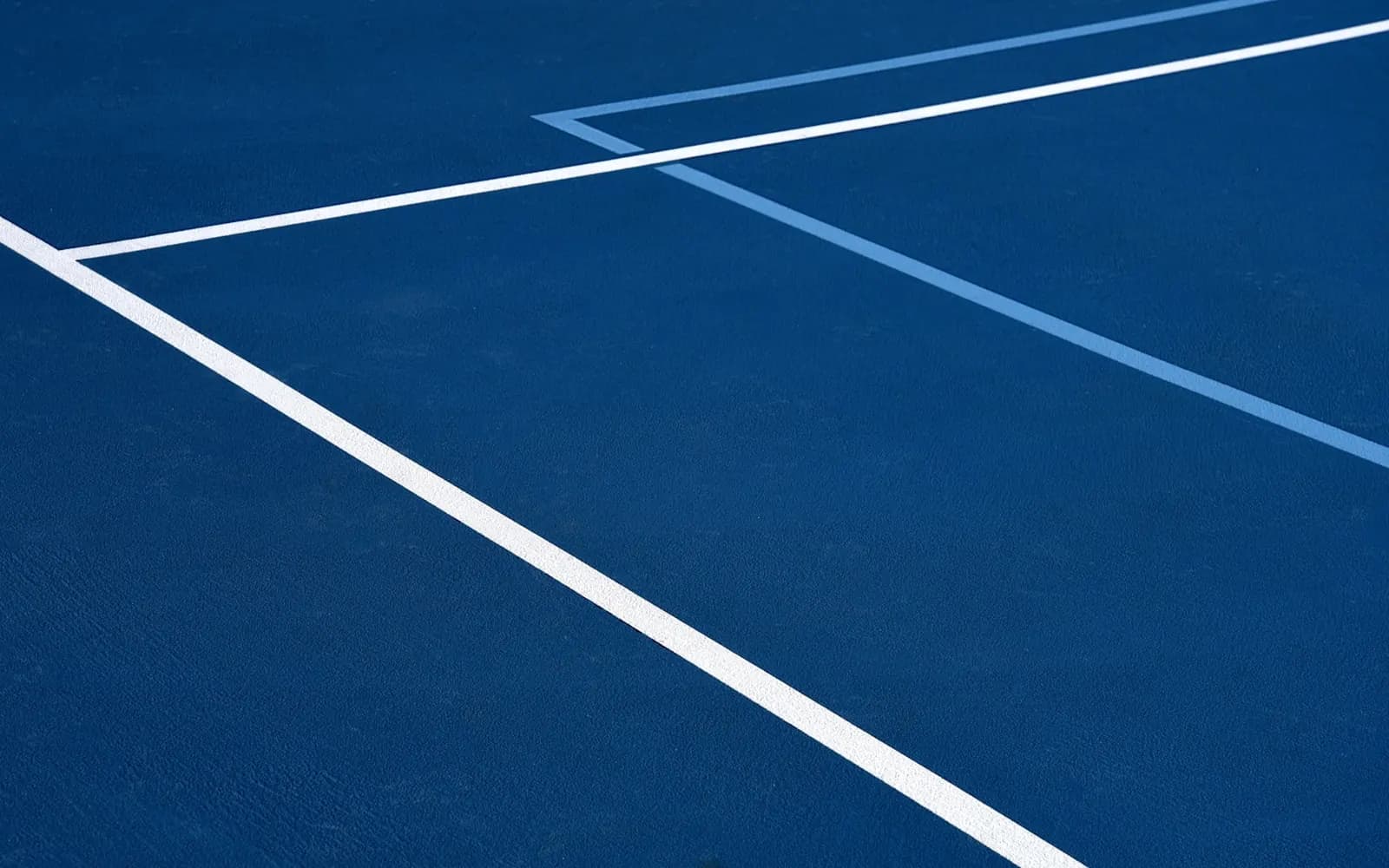
A close look at the non-volley zone — what is and is not allowed, the momentum trap, the partner-pulls-you-in fault, and the footwork habit that keeps you legal.
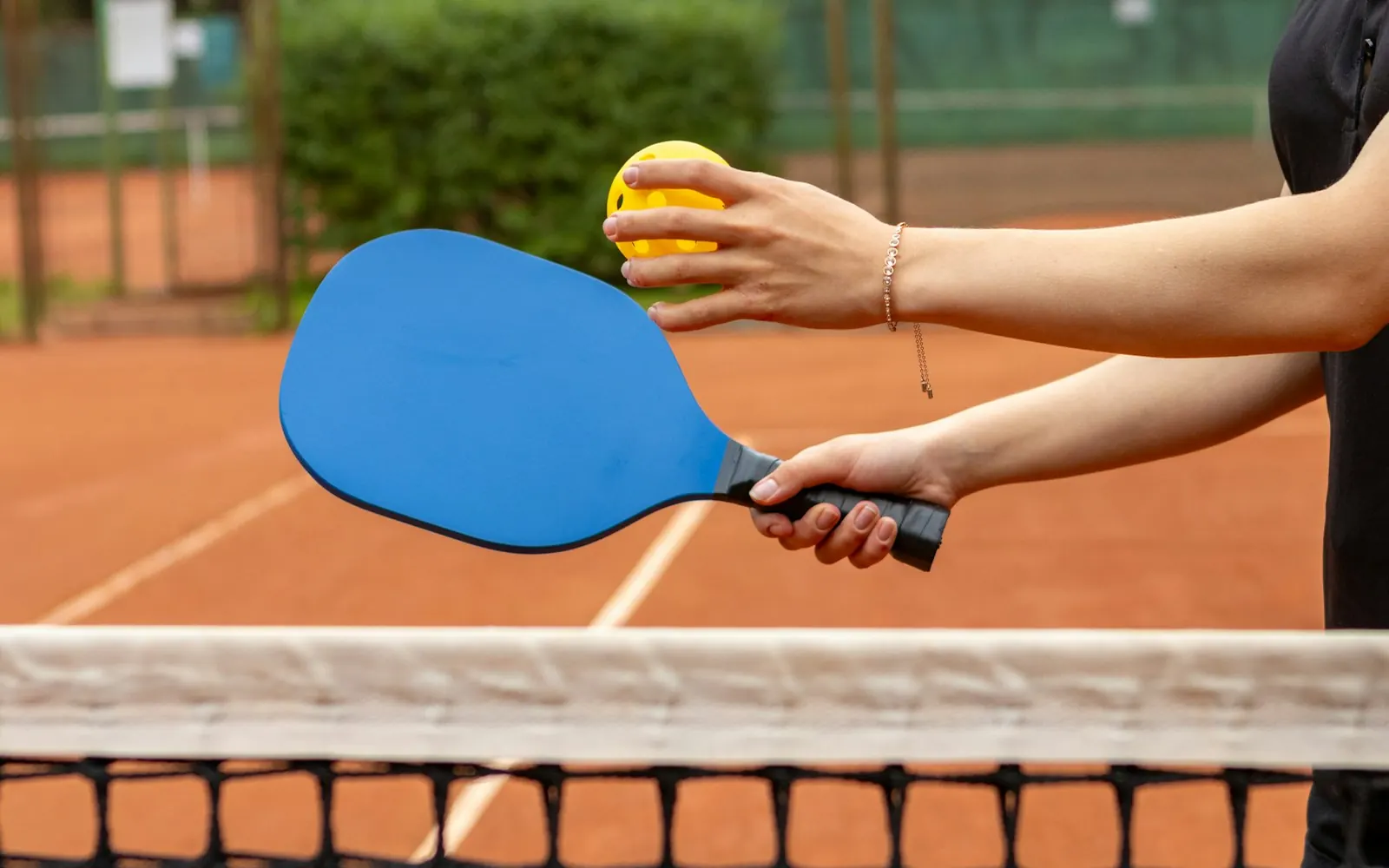
The underhand serve, the server number in doubles, side-out scoring, the start-of-game exception, and how to call the score correctly as three numbers.
The whole game in one read: the court, the serve, the double-bounce rule, the non-volley zone, scoring to 11, and the faults that decide most beginner games.