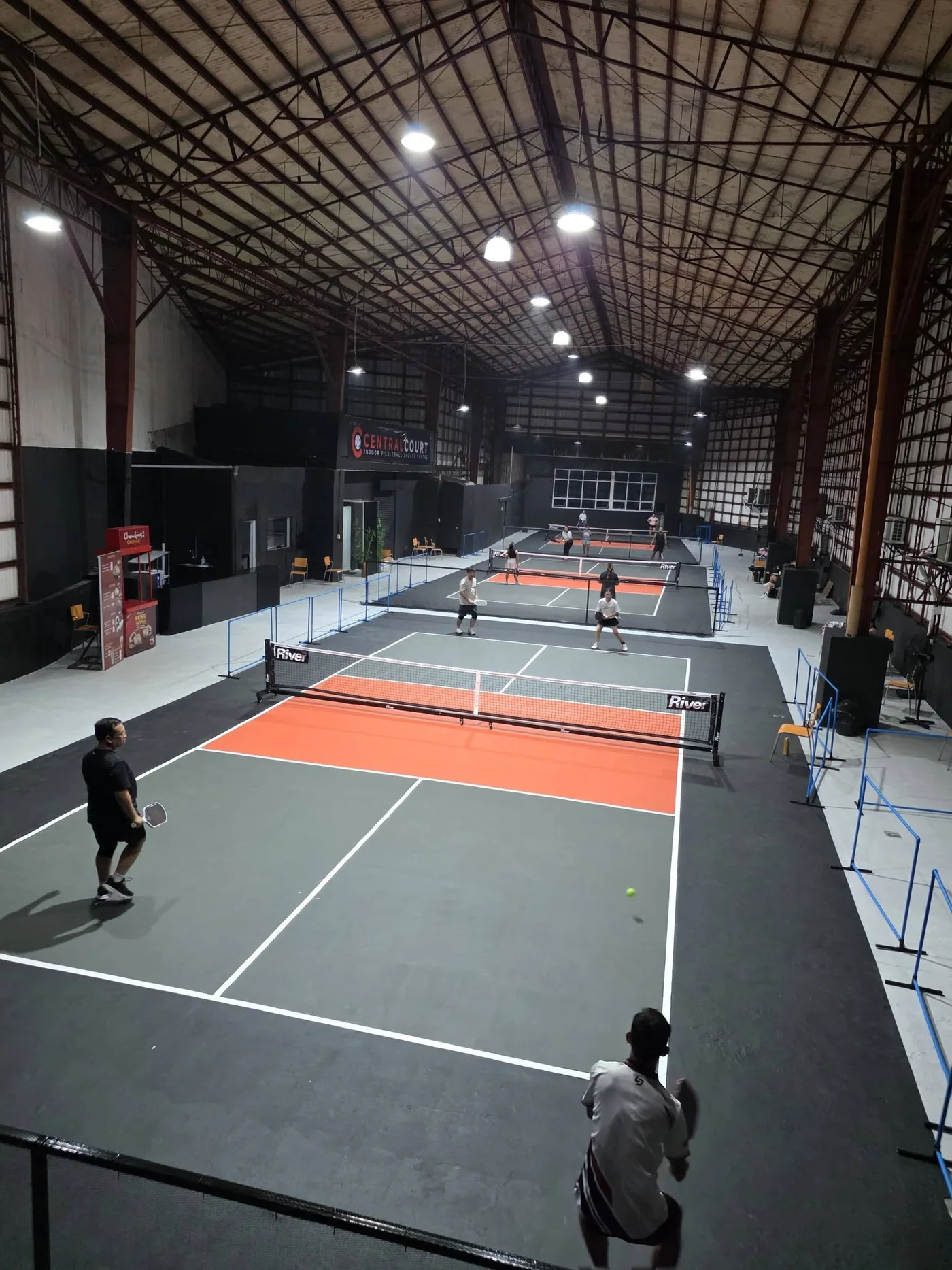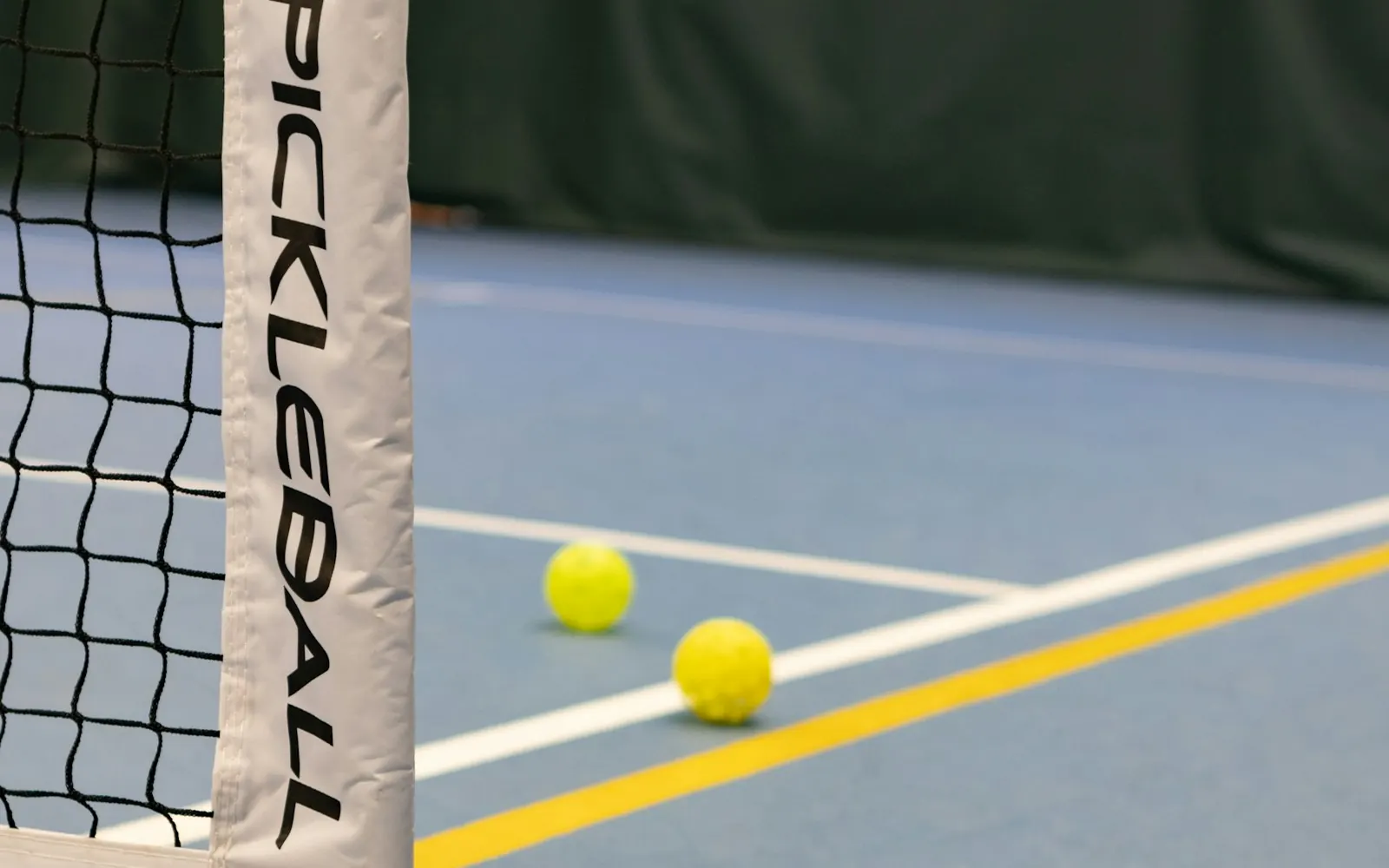
Quick answer: for indoor play at CentralCourt you want indoor balls — larger holes, fewer of them, softer plastic, slower flight. Outdoor balls are built to fight wind and will feel harsh and fast on an indoor court.
The differences
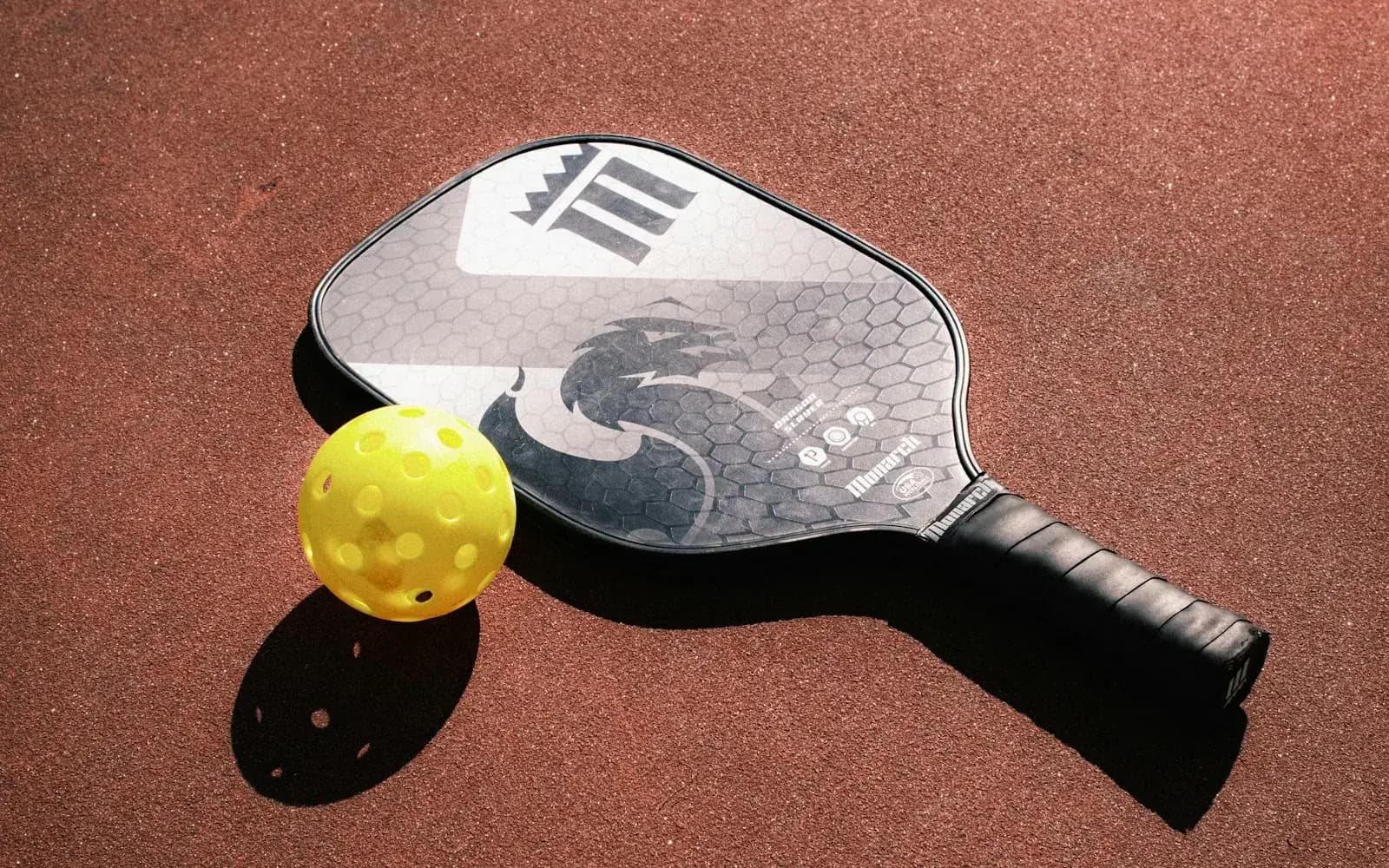
- Holes: indoor balls have around 26 larger holes; outdoor balls have 40 small ones to cut through wind. Counting the holes is the fastest way to tell a ball apart.
- Hardness: indoor plastic is softer with more give. Outdoor plastic is hard, cracks more readily, and stings more off the paddle and off the body.
- Flight: indoor balls fly slower and sit up longer, which rewards the soft dinking game. Outdoor balls are faster and lower, and skid more off the surface.
- Noise: indoor balls are noticeably quieter — softer plastic, less "pop."
- Feel: indoor balls are easier on the arm over a long session, one reason beginners and older players prefer them.
Durability and when to retire a ball
Both types wear out. An outdoor ball usually cracks; an indoor ball tends to go soft or slightly oval before it splits. Either way, once a ball has a soft spot, a visible crack, or has lost its true round shape, it plays unpredictably — bad bounces, dead spots — and should be retired. Buy a sleeve at a time and rotate.
What to get
A pack of indoor balls from Lazada, Shopee or Decathlon Philippines covers months of casual play. If you also play outdoors, keep the two types in separate bags — swapping mid-session without noticing is jarring, because the pace and bounce are so different. The buying guide covers where to find them.
Put it into practice on court.
Book a CourtMore in Gear & Paddles
- A beginner pickleball starter kit, by budget
- What to wear and bring to a pickleball session
- Grip size and grip technique, made simple