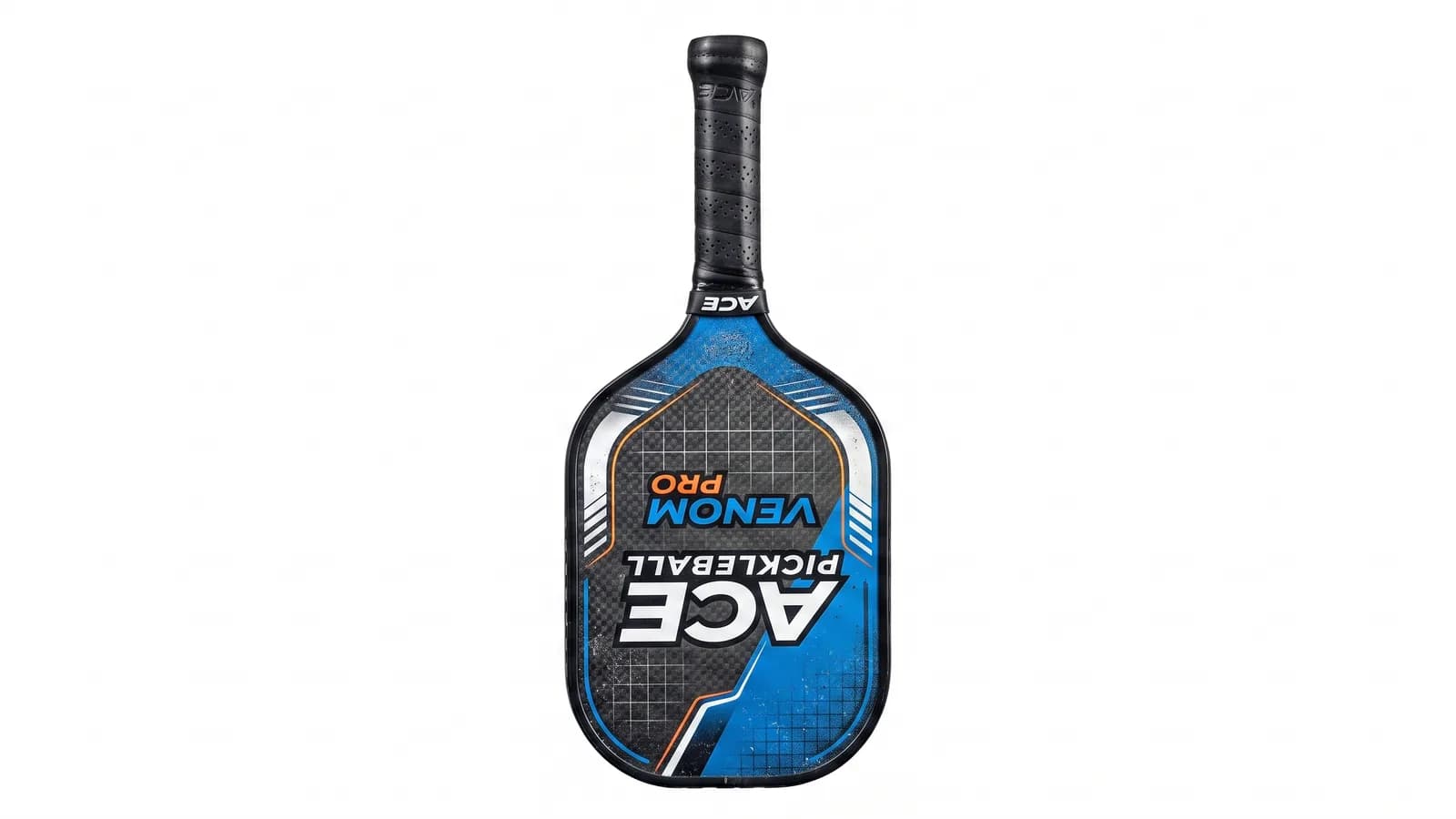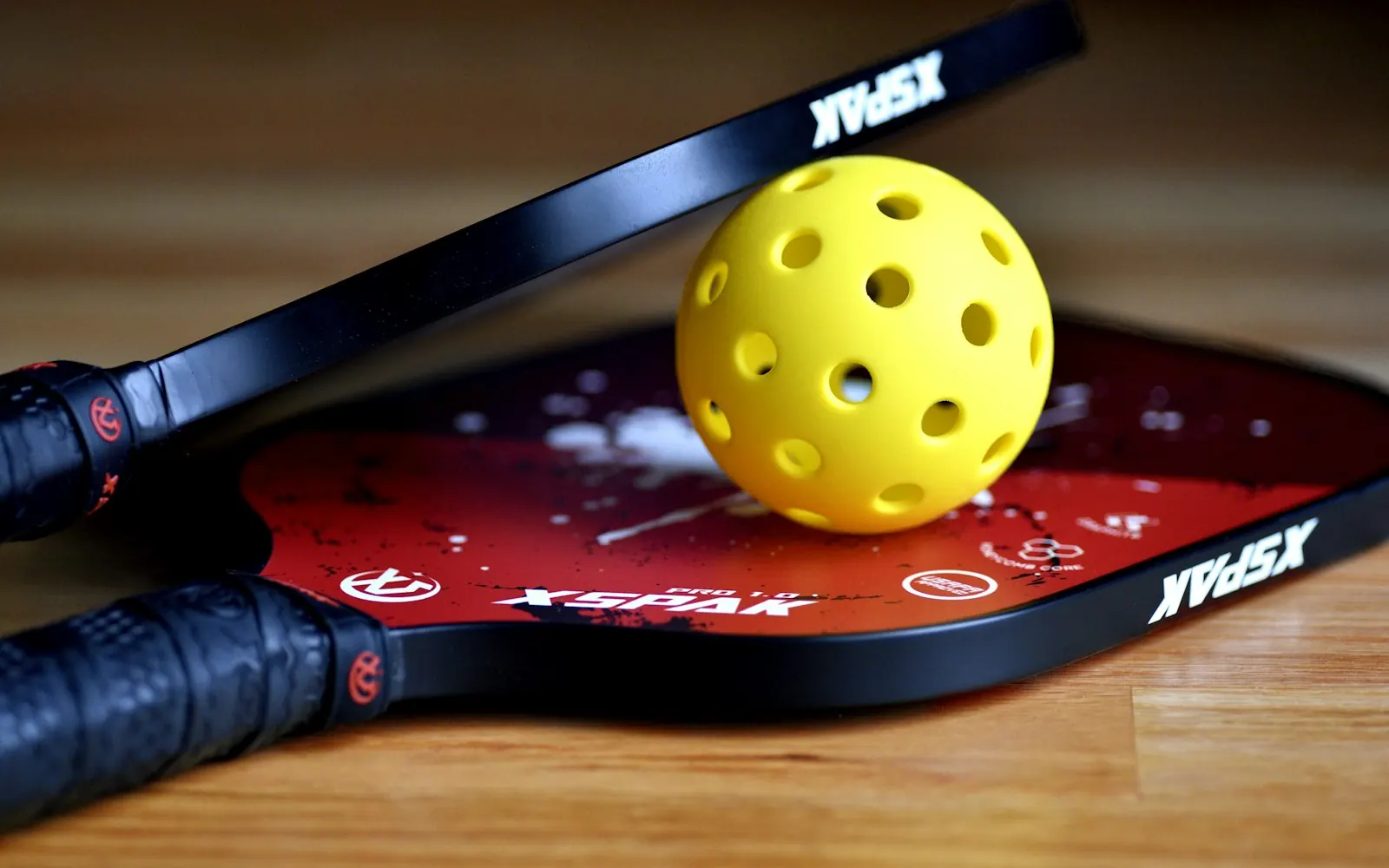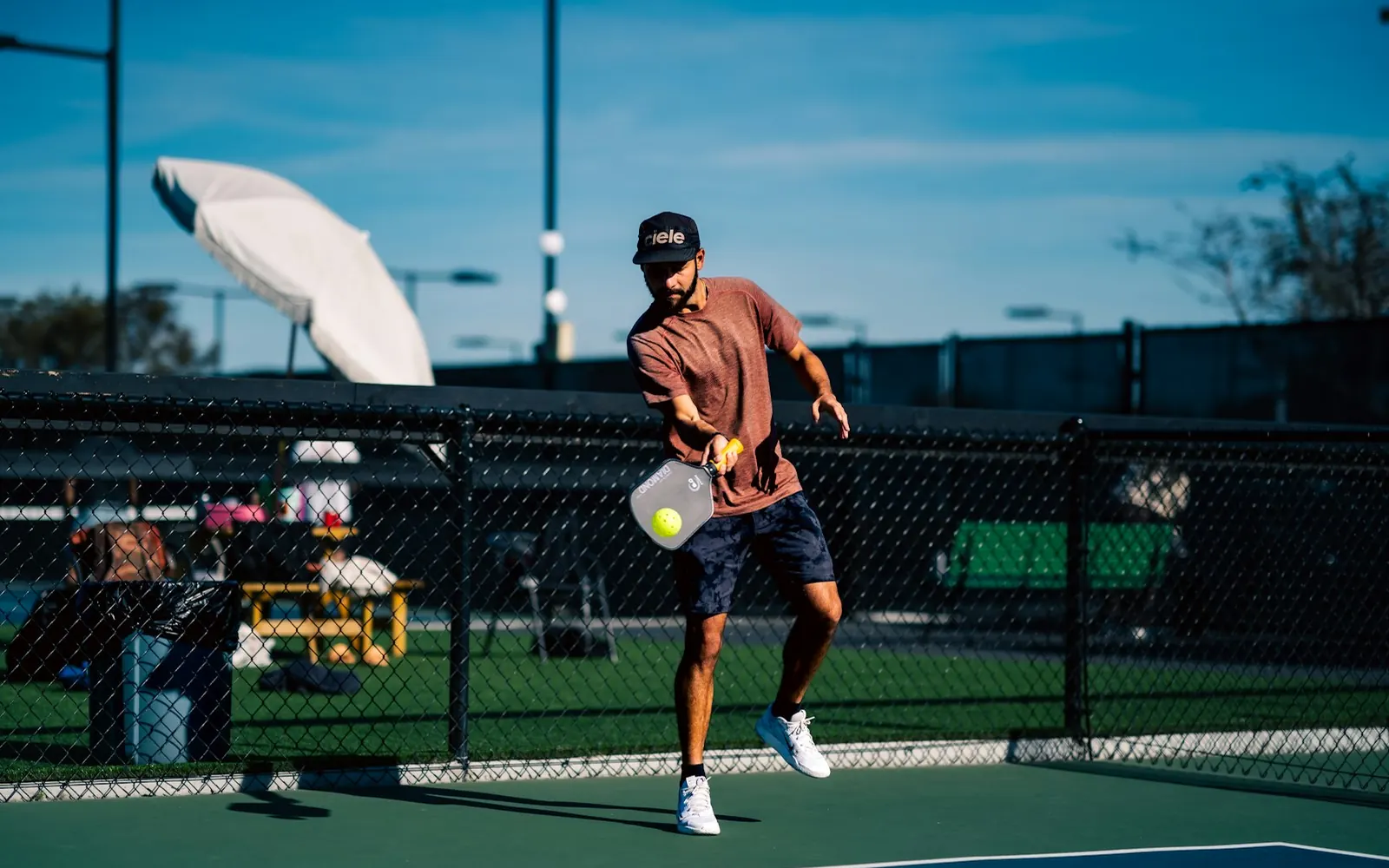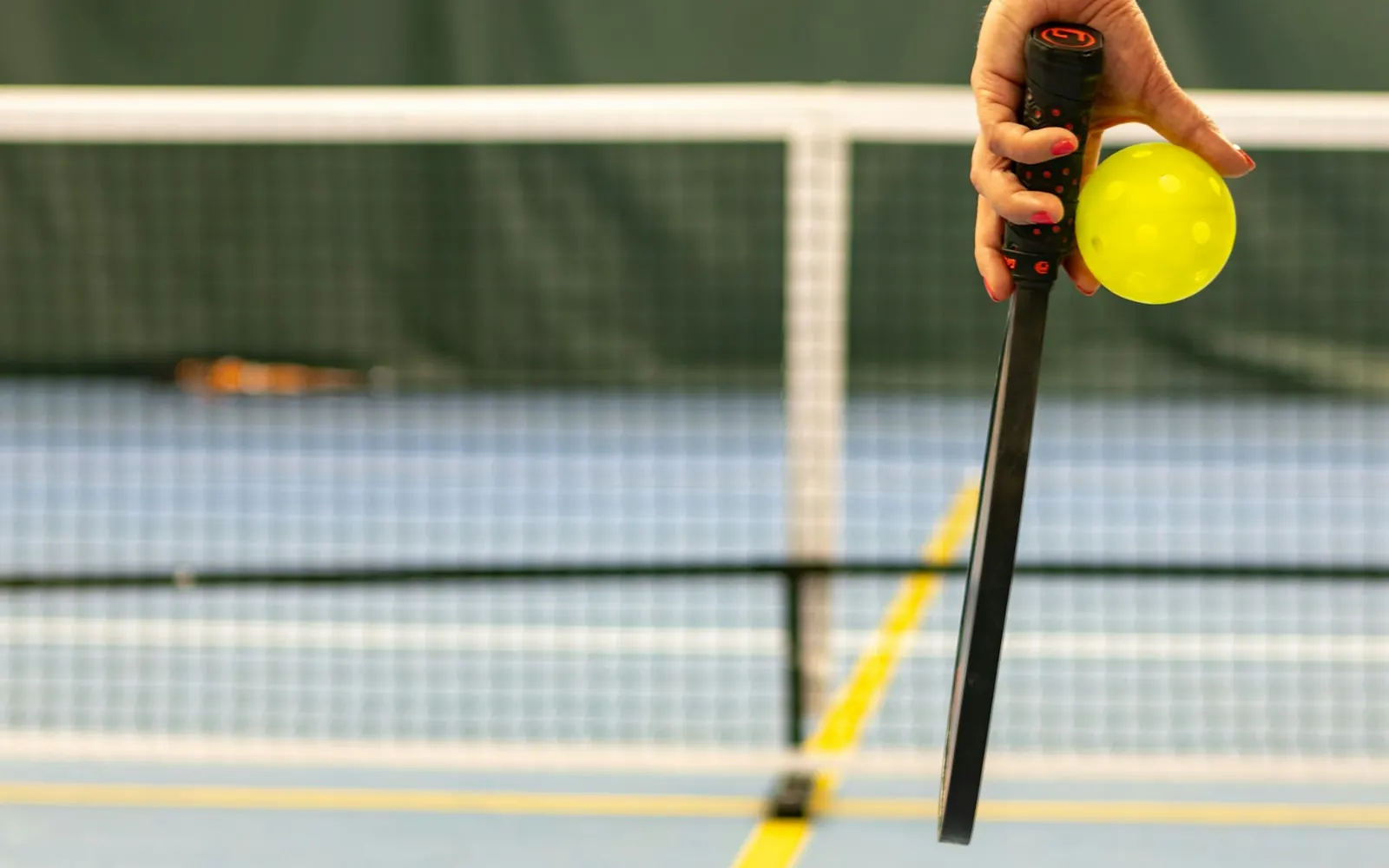
Why grip matters: the wrong grip size quietly sabotages your game. Too big and you cannot flick the paddle quickly at the net; too small and you grip too hard, which kills touch and tires your forearm. Grip technique — which way you hold it — decides how easily you can switch between shots.
Measuring your grip size
Open your hand. Measure from the middle crease of your palm to the tip of your ring finger. That length in inches is roughly your ideal grip circumference — most adults land between 4 and 4.5 inches. Alternatively, hold a paddle in a handshake grip: you should be able to fit the index finger of your other hand snugly in the gap between your fingertips and your palm.
When between sizes, size down
You can always add an overgrip (each wrap adds roughly 1/16 inch) to build a small grip up to fit. You cannot make a grip smaller without shaving the handle, which is fiddly and risks the shape. So when a paddle comes in one size or you are between sizes, take the smaller one and adjust up.
The one grip that does almost everything
The continental or "handshake" grip — hold the paddle as if shaking hands with it, so the edge faces the net — is the default for pickleball. It works for the serve, the return, dinks, volleys on both sides, and the third-shot drop, with no need to switch. Because rallies at the net are fast, not having to change grips is a real advantage.
Players from tennis often arrive with an eastern or semi-western forehand grip. It gives a bigger forehand drive but forces an awkward switch for backhand volleys and dinks. Most convert to continental within a few sessions — see coming from tennis.
The two-handed backhand
A two-handed backhand adds stability, disguise and power on the backhand side, and helps with low balls. It costs you reach and takes a beat longer to prepare. If you have the space and quick footwork, it is worth developing as an option — not as your only backhand.
Grip pressure
Hold the paddle at about 4 or 5 out of 10 for dinks and resets — loose hands absorb pace. Firm up to 7 or 8 only for the moment of a drive or a put-away volley. A permanently tight grip is the most common hidden cause of pop-ups and tennis elbow.
Put it into practice on court.
Book a Court