The short version: wear a non-marking court shoe — tennis, badminton, or a dedicated pickleball shoe. Running shoes are built for straight-line motion; their soft, high heels roll ankles on the fast lateral cuts pickleball demands.
What a court shoe gives you
- Lateral support. A firmer, lower-profile midsole keeps your foot stable when you push off sideways or plant to change direction.
- A grippy, flat outsole. Made for quick stops and direction changes on a hard court, not for cushioned forward roll.
- A non-marking sole. Required indoors — it will not leave streaks on the court surface. Many street shoes will, and staff may ask you to change.
- A reinforced toe. Pickleball involves a lot of toe-drag on the serve and on reach volleys; a running shoe's thin mesh toe wears through in weeks.
Indoor vs outdoor outsoles
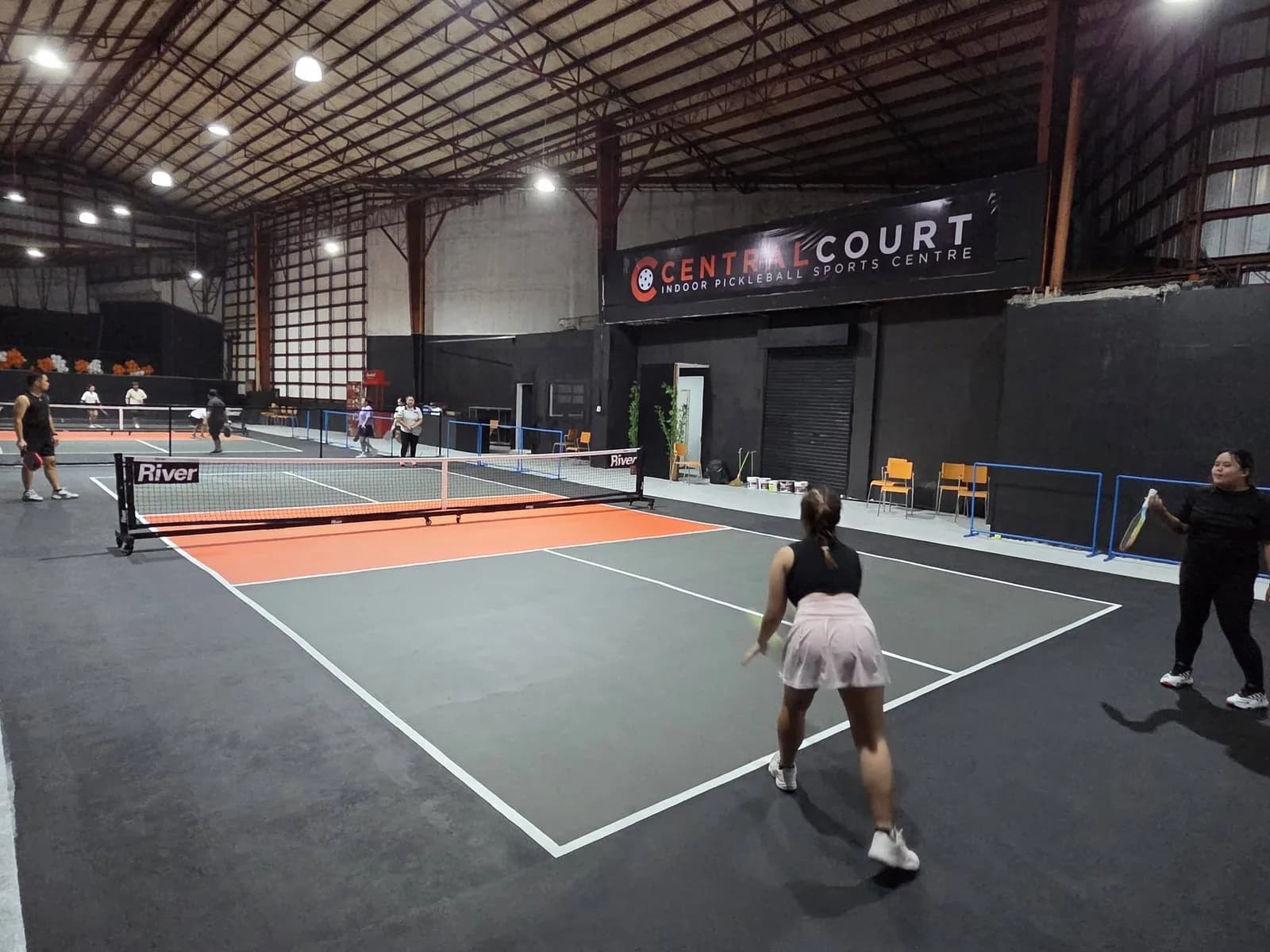
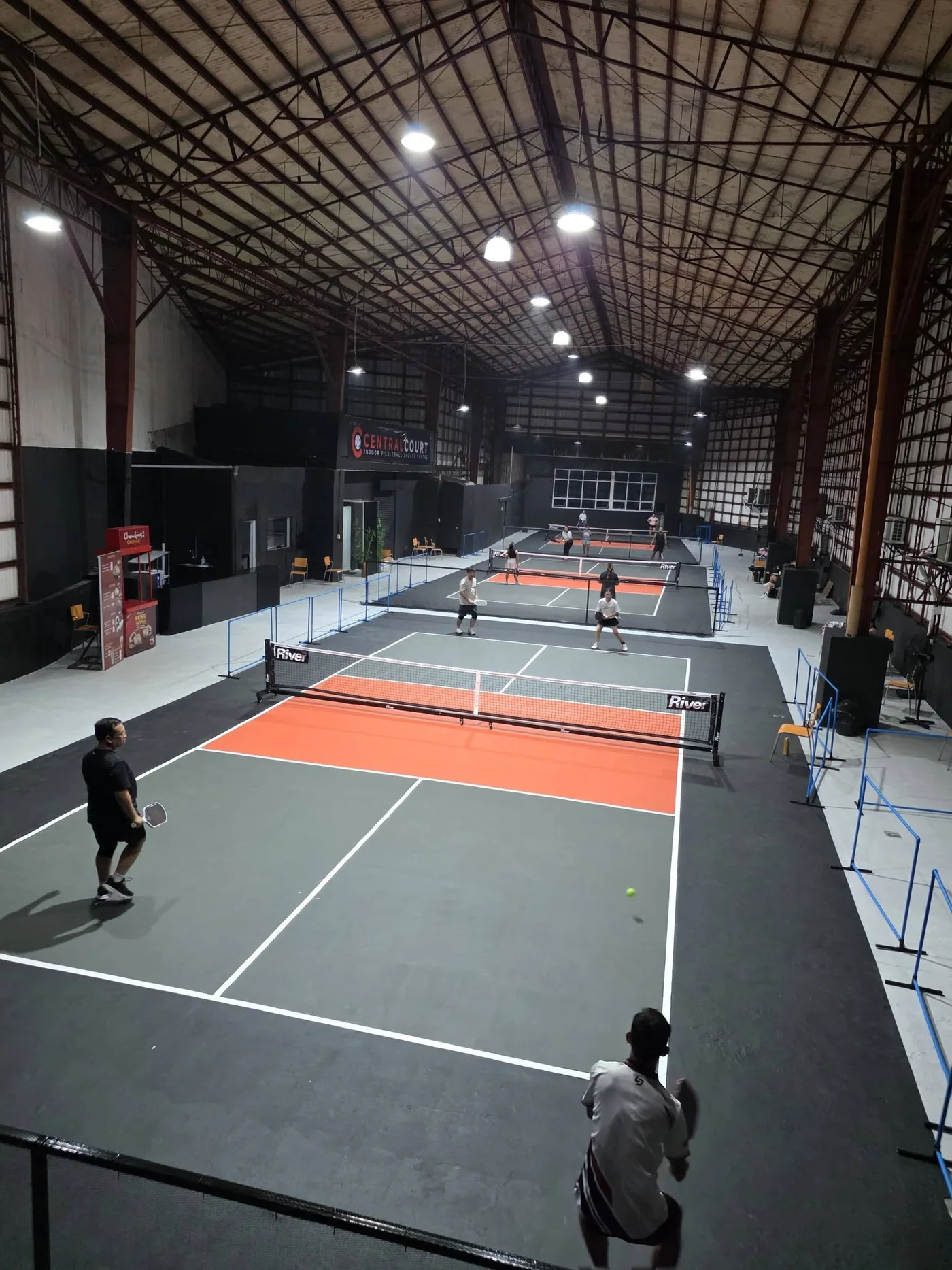
Dedicated court shoes come in indoor (gum rubber, non-marking, best on smooth acrylic and wood) and outdoor (harder, more durable rubber for rough concrete). For CentralCourt's indoor surface, an indoor court shoe or a standard non-marking tennis shoe is ideal. An outdoor-specific outsole works too but wears faster on smooth surfaces.
Choosing one
Any tennis or badminton shoe works to start — you do not need a pickleball-specific model. Fit snug but not tight; try shoes on late in the day when your feet are largest; make sure your toes are not hitting the front on a hard stop. Decathlon Philippines, Lazada and Shopee all carry suitable options at every price. See the starter-kit budget.
When to replace
Retire court shoes once the outsole tread has gone smooth — even if the upper looks fine. Smooth rubber on a clean indoor court is a genuine slip hazard, and worn cushioning stops protecting your knees. For a player on court a few times a week, that is typically every eight to twelve months.
Put it into practice on court.
Book a Court